.jpg)
The spin distribution of Binary Black Hole Systems - Honours project
Paper available here (https://iopscience.iop.org/article/10.3847/2041-8213/ac2f3c)
Literature in the field of binary black hole mergers suggests that the second born black hole should carry the majority of the spin. We test this assumption through the implementation of 'single-spin' models, which seek to reproduce gravitational wave data while only allowing one of the two black holes in the system to spin. We also formulate new models to overcome potentially inaccurate findings from previous models, stemming from their lack of complexity. We name this model the extended model, and a thorough analysis is available at the paper linked above.
A deep learning Crater Detection Algorithm (CDA) for the BepiColombo mission
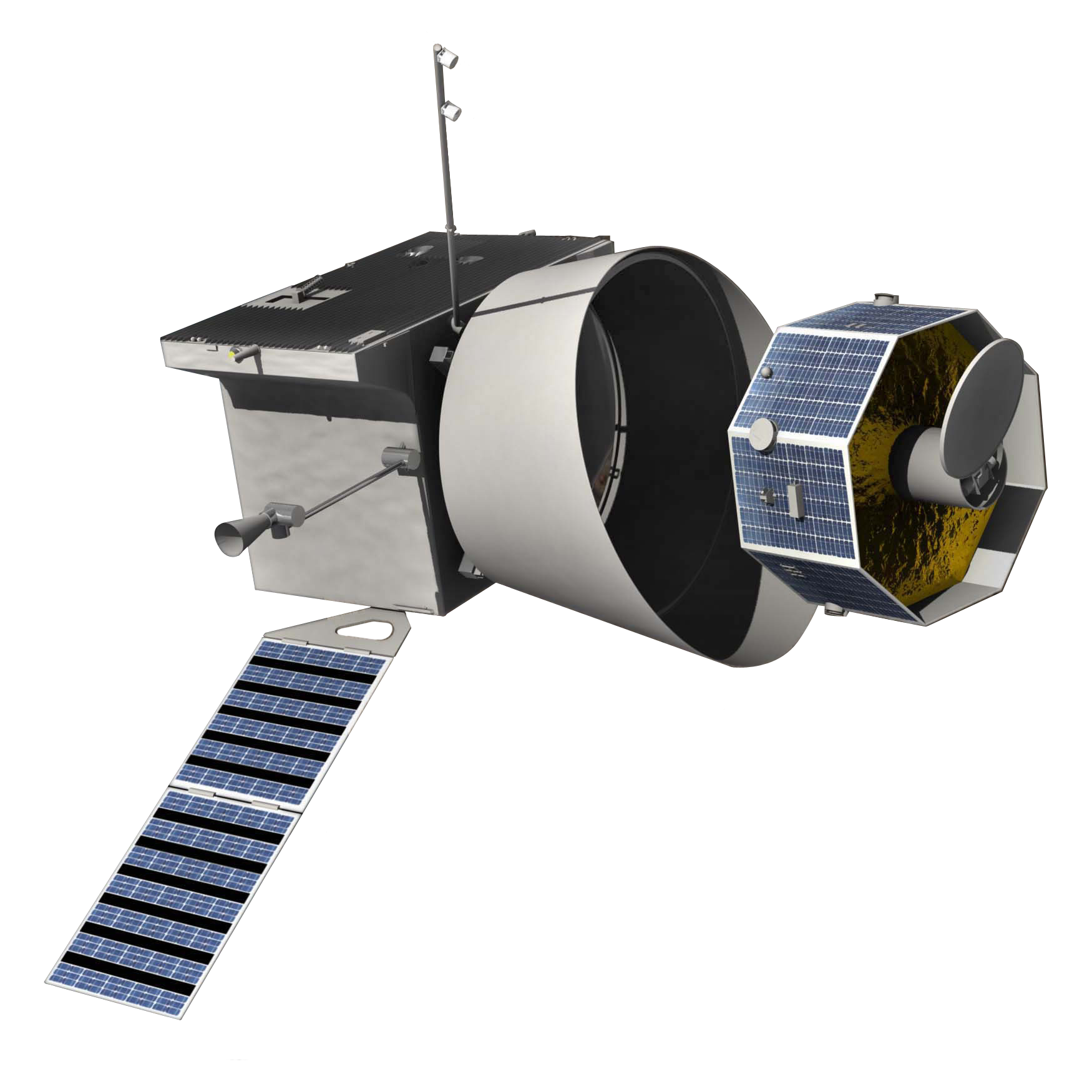
Working with CSIRO and the Pawsey Supercomputing Centre (PSC), I constructed a crater detection algorithm (CDA) for use by the BepiColombo mission.
Computational infrastructure was provided via CSIRO and the Australian Government through the Pawsey Supercomputer Centre. Both the Magnus and Topaz supercomputers were used, with our work on Magnus leveraging its 1+ PetaFlops capability, and our work on Topaz leveraging its GPU acceleration capabilities (300 TeraFlops GPU compute capability).
Machine learning classification of GOTO data with TensorFlow
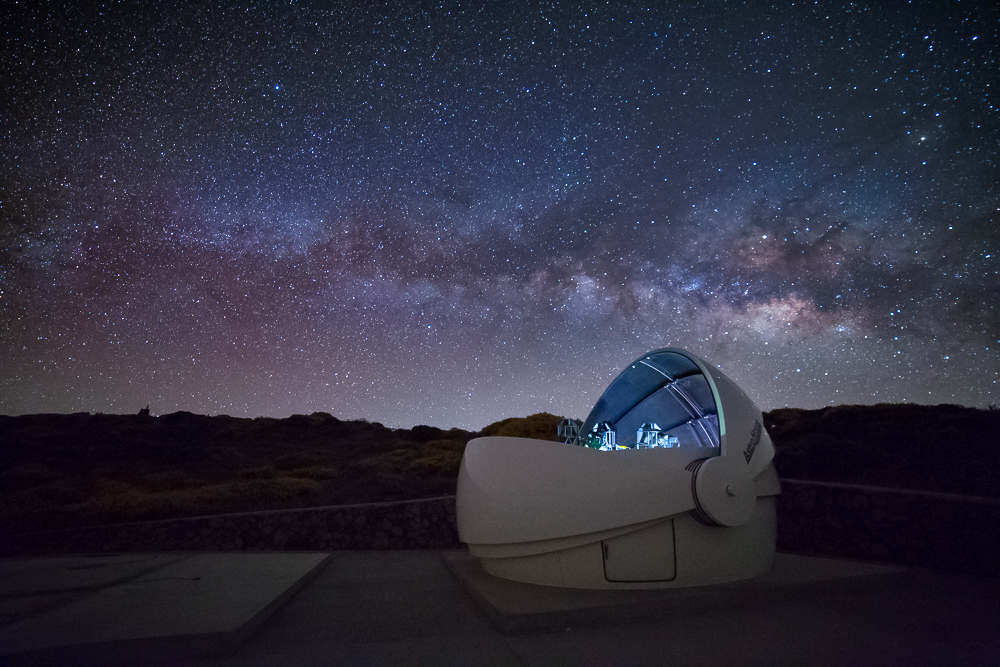
In this project, I used TensorFlow to build a neural network capable of analysing and sorting GOTO data into 'real' and 'bogus' classes. Specifically, we analysed AGN (Active Galactic Nuclei) images, and try to sort features due to AGN events from features due to supernovae or tidal disruption events (TDEs). Additionally, to assist researchers with identifying 'out of the ordinary' events, we also assign each detection an 'interest rating', which is determined using a Recurrent Neural Network (RNN) - specifically an LSTM. The higher the interest rating, the more likely that the event should be analysed more closely.
Monash Nova Rover and Monash Deep Neuron
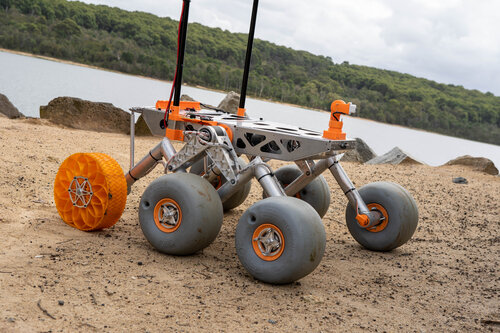
Worked as High Performance Computing (HPC) and deep learning specialist with Monash Nova Rover and Monash Deep Neuron. My work with both of these university clubs revolved around using neural networks to solve research and business problems, and the hardware integration of the solutions I produce. With Monash Deep Neuron, I also worked on pulsar detection and quantum circuit code for the ASC competition.
Planetary Engulfment Event Research
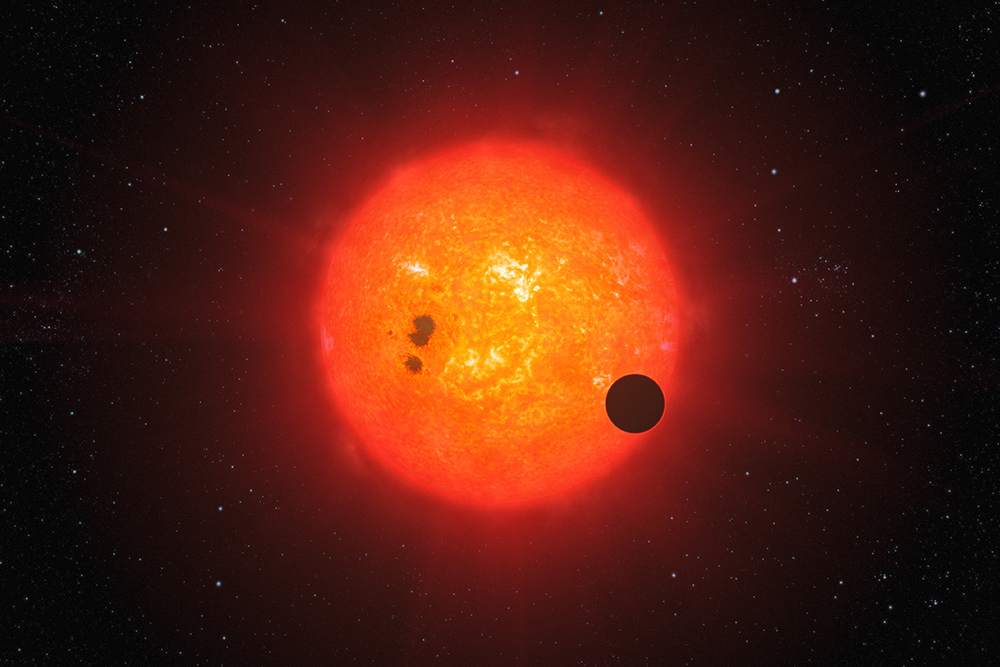
In this project, I analysed the spectra of stars in binary systems, using the highest resolution spectra for these systems to date (SNR>350). This involved the use of python packages designed for spectral analysis and spectra cleaning. During this process, my supervisor and I found the most chemically inhomogeneous system to date (i.e the 2 stars in the binary system differ chemically to the greatest extent found to date), as well as 3 other candidate systems. These findings have been published in our ApJL paper, which is available in press at https://iopscience.iop.org/article/10.3847/2041-8213/ab5dc6.
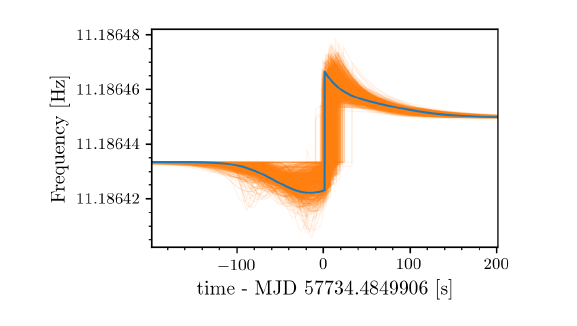
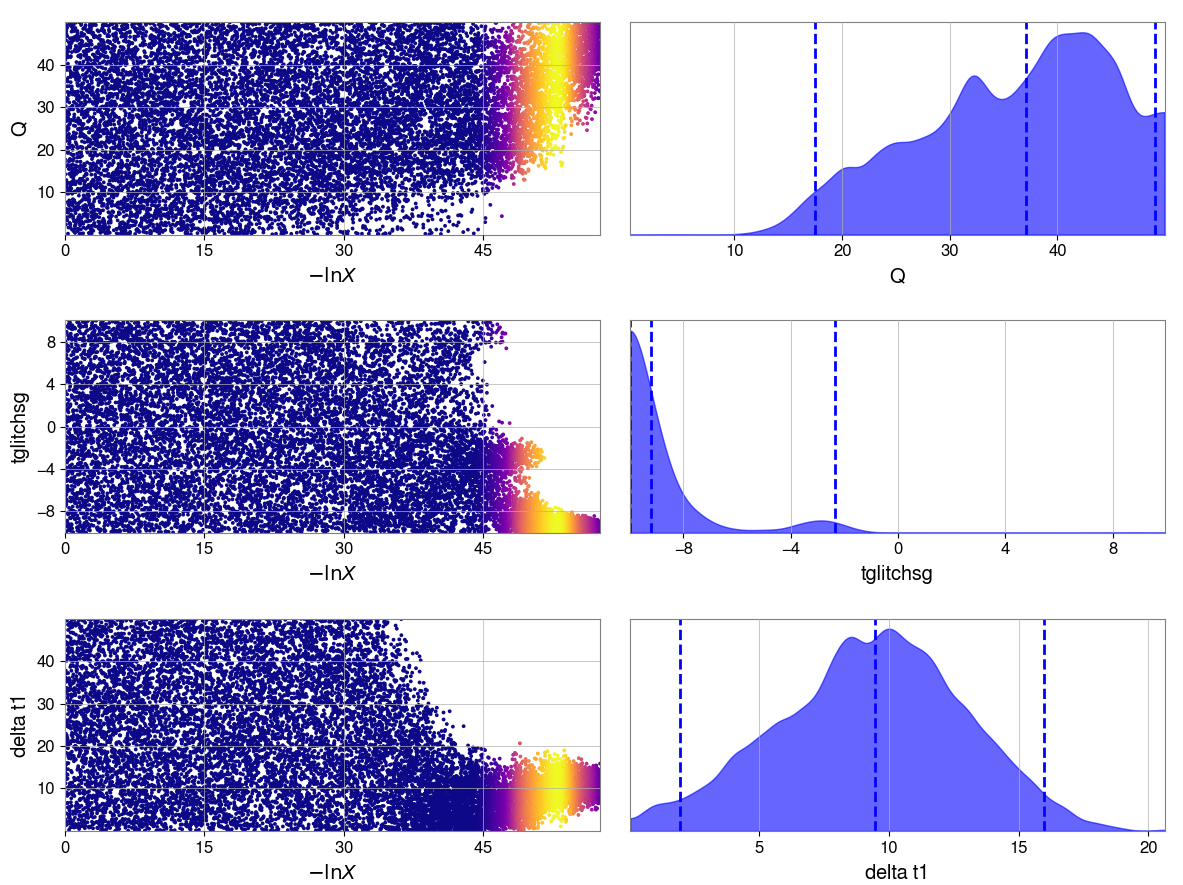
Pulsar Frequency Glitch Research
In this project, a supervisor and I researched into the cause of frequency glitches in pulsars, which required the use of Bayesian statistics, and various python packages to code and test models for the frequency of the pulsar. These packages include Pandas, SciPy, matplotlib and BILBY (OzGrav's in-house bayesian analysis package). We then used barycentered time of arrival (TOA) data from the Vela pulsar to test our models, finding a combination of exponential and sine-gaussian functions to be the most viable.
Kinela - Cloud and BI developer
My work in this internship involved creating lead score and RFM algorithms, and then obtaining relevant insights and solutions.
My lead score formula which has been implemented by the company assesses new customers and ranks them by their profitability, which is calculated through parameters such as location and contact method (website, phone call etc.). My work using RFM analyses has also highlighted a growing demographic of high value customers which have left the company, and shown potential methods to bring them back. My RFM analysis has also been implemented, allowing Kinela to group their current customer base by their value to the company.
Connect Education - Lecturer and Tutor
From 2018 to 2019, I tutored students in VCE Physics and VCE Mathematical Methods. This included tutoring with a company (Connect Education), as well as privately. Through tutoring I have been able to improve my science communication skills, as both lectures and group tutoring require the ability to explain complicated topics to people who have never even heard of them. Through lecturing I have furthered my public speaking skills too, and now I am able to speak in front of large audiences confidently.
